
Reduce Stress Through Proper Nutrition
Discover how the right foods can calm your mind, stabilize your mood, and build lasting wellness from within. Science-backed nutrition strategies for everyday peace.
The information on this site is for educational purposes only and does not constitute medical advice. Always consult a qualified healthcare professional before making health decisions.
Why Nutrition Matters for Your Mental Wellness
Your brain is constantly working to regulate stress hormones, maintain emotional balance, and support cognitive function. Every meal you eat directly influences these processes. When you choose nutrient-dense foods, you're giving your nervous system the raw materials it needs to stay calm and resilient.
Stress depletes essential vitamins and minerals. Magnesium, B vitamins, and omega-3 fatty acids are the first to suffer when your body is under tension. Without replenishment, stress becomes chronic and harder to manage. That's where strategic nutrition comes in.
At Healtheatmen, we focus on practical, evidence-based nutrition principles that work in real life—not in a lab. Our editorial team explores how everyday foods can become powerful allies in your wellness journey.
How Nutrition Supports Stress Relief
Stabilize Blood Sugar
Balanced blood sugar is the foundation of emotional stability. When glucose levels spike and crash, your stress hormones follow. Learn which foods create steady energy throughout the day, preventing the anxiety spikes that come with energy crashes.
Support Neurotransmitters
Serotonin and dopamine—your mood regulators—depend on specific amino acids and nutrients found in food. Discover which proteins, carbohydrates, and minerals help your brain produce more of these calming and feel-good chemicals naturally.
Reduce Inflammation
Chronic stress fuels inflammation, which in turn increases anxiety and mental fatigue. Anti-inflammatory foods—rich in antioxidants and omega-3s—help calm your system at a cellular level and support long-term peace of mind.
Essential Nutrients for Stress Relief
Magnesium
The "relaxation mineral" activates your parasympathetic nervous system—your body's natural brake pedal. Low magnesium is linked to higher stress perception and muscle tension. Green leafy vegetables, seeds, nuts, and whole grains are excellent sources that help calm your nervous response.
Daily need: 310–420 mg depending on age and gender
Omega-3 Fatty Acids
These essential fats support brain health and reduce inflammatory stress markers in your bloodstream. Fatty fish like salmon and mackerel, flaxseeds, and walnuts are nutrient-dense sources. Regular omega-3 intake has been shown to support emotional resilience and calm under pressure.
Daily need: 1.1–1.6 grams for adults
B Vitamins
The B-complex vitamins (especially B6, B12, and folate) are crucial for neurotransmitter production and stress hormone regulation. Stress rapidly depletes these nutrients, so replenishing them through eggs, poultry, legumes, and whole grains is essential for maintaining calm.
Found abundantly in whole foods and fortified grains

Building Your Stress-Relief Nutrition Plan
A successful nutrition strategy isn't about perfection—it's about consistency and informed choices. Start by identifying which foods calm you, energize you, and which ones leave you feeling jittery or drained. Everyone's body responds differently to nutrition.
- Eat mindfully: Notice how you feel 1–2 hours after meals. This awareness helps you identify your body's nutritional needs.
- Hydrate consistently: Dehydration amplifies stress perception. Aim for steady water intake throughout the day.
- Plan ahead: Prepared meals prevent stress-driven impulse eating that often leads to blood sugar crashes.
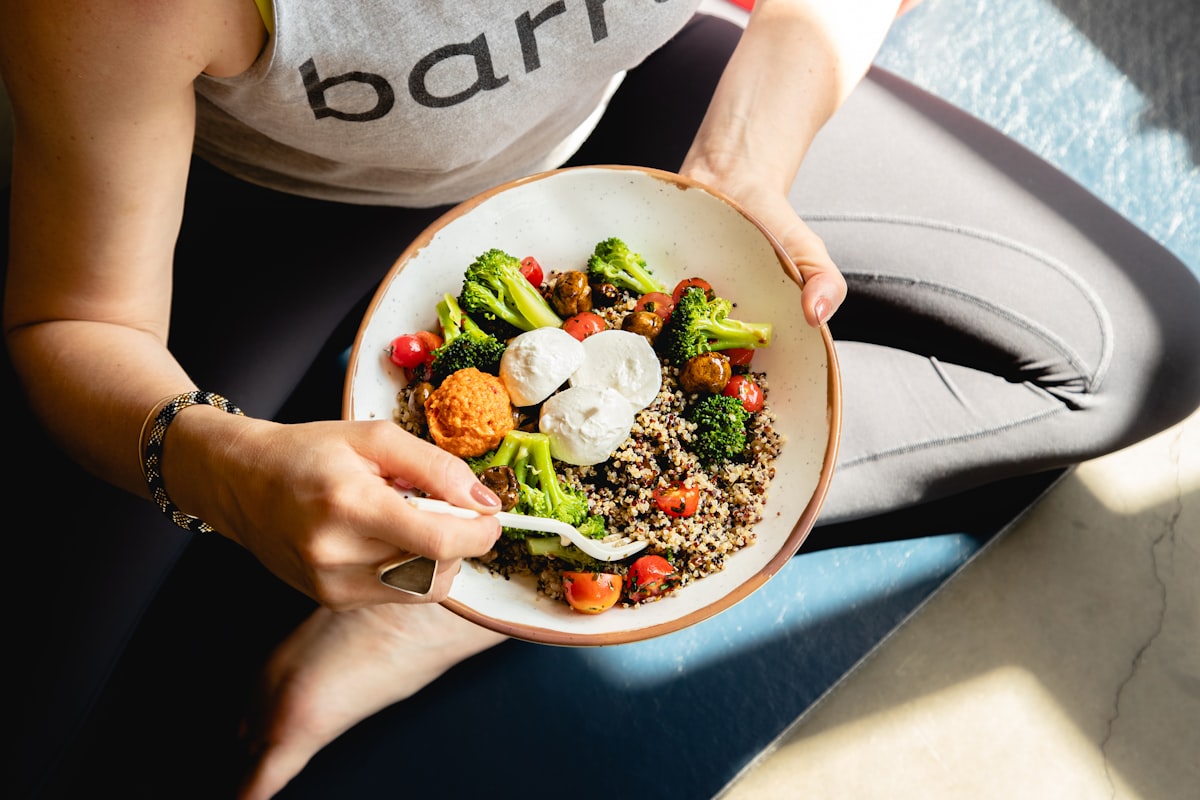
- Include variety: Different nutrients come from different foods. A colorful plate is a nutrient-dense plate.
Our detailed nutrition guides provide specific meal ideas, shopping lists, and preparation strategies to make stress-relief eating practical and sustainable.
Foods That Support Calm and Focus
Leafy Greens & Cruciferous Vegetables
Spinach, kale, broccoli, and cabbage are loaded with magnesium, folate, and antioxidants. These nutrients directly support neurotransmitter production and reduce oxidative stress in the brain. A daily serving of leafy greens is one of the simplest ways to support your nervous system.
Examples: Spinach salads, steamed broccoli, kale chips, cabbage slaw
Fatty Fish & Seafood
Salmon, mackerel, sardines, and trout are rich in omega-3 fatty acids and vitamin D, both critical for mood regulation and stress resilience. Studies consistently show that regular fish consumption supports emotional stability and cognitive clarity under pressure.
Examples: Grilled salmon, baked mackerel, canned sardines, fish tacos
Nuts, Seeds & Legumes
Almonds, walnuts, pumpkin seeds, and chickpeas provide magnesium, protein, and healthy fats that stabilize blood sugar and support neurotransmitter synthesis. A small handful of nuts or a legume-based dish provides sustained calm and focus.
Examples: Mixed nuts, seed butter, bean soup, lentil curry
Whole Grains
Oats, brown rice, quinoa, and whole wheat contain B vitamins and complex carbohydrates that regulate serotonin production and provide steady energy. Unlike refined grains, whole grains prevent the blood sugar swings that amplify anxiety.
Examples: Oatmeal, brown rice bowls, whole grain bread, quinoa pilaf
Berries & Antioxidant Fruits
Blueberries, strawberries, and other berries contain anthocyanins and vitamin C—powerful antioxidants that reduce inflammation and support mental clarity. These fruits are also low on the glycemic index, preventing energy crashes.
Examples: Fresh berries, berry smoothies, fruit salad, frozen blueberries
Fermented & Probiotic Foods
Yogurt, kefir, sauerkraut, and tempeh support gut health, which directly influences mood and stress resilience through the gut-brain connection. A healthy microbiome produces neurotransmitters and reduces inflammatory signals that heighten anxiety.
Examples: Plain yogurt, fermented vegetables, miso soup, kombucha
What Our Readers Are Saying
"I've struggled with afternoon anxiety for years. After implementing the nutrition strategies from Healtheatmen, especially the magnesium-rich foods and balanced meals, I noticed a real difference within two weeks. I'm calmer throughout the day and my energy is stable. This isn't just another diet—it's a wellness guide that actually works."
Siti Nurhaliza
Jakarta, Indonesia
"As someone who works in a high-stress environment, I was always reaching for coffee and sugary snacks to get through the day. The Healtheatmen articles taught me why that was making things worse. Now I eat whole grains, fish, and nuts instead. My focus is sharper and I'm not exhausted by 3 PM anymore."
Budi Santoso
Surabaya, Indonesia
"The food-mood connection explained in your articles finally made sense of why I felt so anxious after certain meals. I've been following the nutrient guidelines for a month, and my sleep has improved dramatically. I feel more settled and present. Thank you for creating such practical, evidence-based content."
Dewi Lestari
Bandung, Indonesia
"I share the nutrition tips from Healtheatmen with my family, and we've all benefited. The guidance is clear, actionable, and grounded in real science—not hype. It's refreshing to find editorial content that prioritizes your actual wellness over selling something. We've made lasting changes to how we eat."
Ahmad Wijaya
Medan, Indonesia
Frequently Asked Questions
Ready to Transform Your Wellness Through Nutrition?
Explore our complete guides on stress-relief nutrition, download practical meal templates, and join our community of readers committed to evidence-based wellness. Your journey to calm starts with the right information.
Stay Updated With New Articles
We send curated nutrition articles and wellness tips. Your email stays private and spam-free.